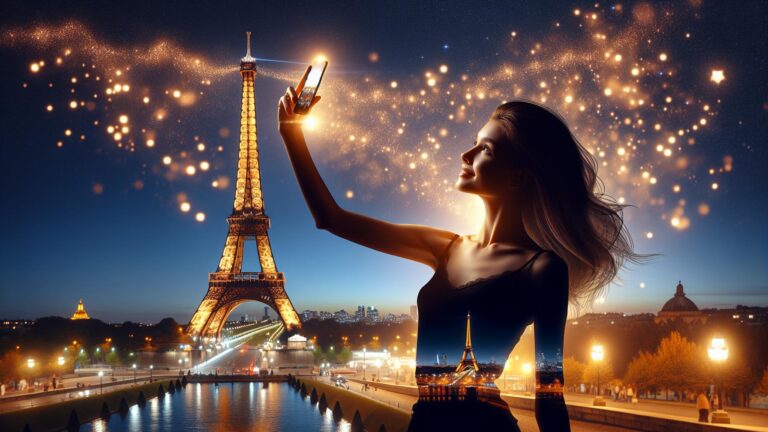
The iconic Eiffel Tower’s nighttime illumination has sparked controversy and confusion among tourists worldwide. While millions of visitors capture photos of this magnificent structure each year, there’s a fascinating legal twist that many don’t know about – the tower’s evening light display is actually protected by copyright law.
I’ve discovered that contrary to popular belief, taking photos of the Eiffel Tower at night isn’t illegal for personal use. The real restriction applies to the commercial distribution of nighttime images featuring the tower’s illumination. This unique copyright protection stems from the artistic light show that transforms the iron lattice structure into a sparkling beacon each evening, making it a distinct creative work separate from the tower itself.
Key Takeaways
- Photos of the Eiffel Tower at night are not illegal for personal use, but commercial use requires permission due to copyright protection of the illumination design
- The tower’s structure is in the public domain, but the nighttime lighting display, created by Pierre Bideau in 1985, is protected as a separate artistic work
- Personal photos for memories and social media sharing are permitted, while commercial usage like marketing materials and print sales requires explicit authorization
- The copyright protection only applies to the illuminated nighttime view, making daytime photos completely unrestricted for both personal and commercial use
- Freedom of Panorama exceptions in EU law create varying regulations across different countries, affecting how architectural landmarks can be photographed
Understanding The Eiffel Tower’s Copyright Law
The Eiffel Tower’s copyright status operates under complex European Union regulations that distinguish between the structure itself and its illumination. This distinction creates specific legal parameters for photographers and content creators.
The Nighttime Lighting Display
The modern lighting installation created by Pierre Bideau in 1985 establishes a separate artistic copyright protection. The choreographed light show transforms the tower into a protected visual artwork during nighttime hours, making commercial photos of the illuminated tower illegal without proper authorization.
Special Rights Protection
The tower’s daytime images exist in the public domain since architect Stephen Sauvestre died in 1919, exceeding the EU’s copyright duration of life plus 70 years. Here’s how the copyright protection differs:
- Free for commercial use
- Unrestricted distribution allowed
- No permission required
- Public domain status confirmed
- Personal photography permitted
- Commercial use restricted
- Copyright protection active
- Authorization needed for business purposes
| Copyright Duration | Structure Status | Lighting Status |
|---|---|---|
| EU Standard | Life + 70 years | Life + 70 years |
| Public Domain Date | 1989 | Still Protected |
| Current Status | Freely Usable | Rights Reserved |
The Legal Implications Of Night Photography

The legal status of Eiffel Tower night photography centers on complex copyright laws that protect artistic creations. Understanding these implications helps photographers navigate the restrictions around capturing and sharing images of the illuminated tower.
Copyright vs. Public Domain
The Eiffel Tower structure exists in the public domain due to its age, but the nighttime illumination maintains active copyright protection. Pierre Bideau’s 1985 lighting installation qualifies as a separate artistic creation with distinct legal protections. This dual status creates a unique situation where photos of the same structure face different legal restrictions based on the time of day.
Commercial vs. Personal Use
The enforcement of copyright for Eiffel Tower night photos focuses primarily on commercial usage. Personal photographs taken for private memories or social media sharing typically face no restrictions. Commercial photographers must obtain explicit permission for:
- Publishing night photos in magazines
- Using illuminated tower images in marketing materials
- Selling prints featuring the light display
- Including nighttime shots in commercial videos
| Usage Type | Daytime Photos | Nighttime Photos |
|---|---|---|
| Personal Use | Permitted | Permitted |
| Social Media Sharing | Permitted | Permitted |
| Commercial Use | Permitted | Requires Permission |
| Stock Photography | Permitted | Restricted |
A search on Google reveals over 24 million results for “Eiffel Tower at Night,” demonstrating the widespread nature of these photographs despite the legal restrictions. The copyright holder maintains discretion in enforcing these rights, choosing when to take action against unauthorized commercial use.
Freedom Of Panorama Exceptions
Freedom of Panorama in the European Union presents complex legal variations across member states, particularly regarding architectural landmarks. These exceptions create unique challenges for photographers capturing iconic structures.
European Union Copyright Laws
The EU’s copyright framework allows member states to opt out of Freedom of Panorama provisions. The 2001 EU directive attempted to standardize architectural photography rights but became voluntary when countries failed to adopt uniform policies. This fragmented approach results in varying regulations across different EU nations, creating a patchwork of permissions and restrictions for photographers.
- Personal Use: Taking photos for private memories or social sharing
- Commercial Use: Professional photography requiring explicit permission
- Daytime vs. Nighttime: Different legal standards apply based on timing
- Specific Restrictions: Additional rules for designated landmarks or artistic installations
| Photography Type | Legal Status in France |
|---|---|
| Personal Daytime | Permitted |
| Personal Nighttime | Permitted |
| Commercial Daytime | Generally Permitted |
| Commercial Nighttime | Restricted |
Impact On Tourism And Social Media

The copyright restrictions on Eiffel Tower’s nighttime photos create unique challenges for tourism and social media sharing. The regulations affect both casual tourists and content creators who share their Paris experiences online.
Enforcement Challenges
Enforcing copyright restrictions on nighttime Eiffel Tower photos presents significant practical obstacles. Thousands of tourists capture and share photos every night, making comprehensive monitoring impossible. The widespread use of social media platforms creates a gray area where personal sharing often blends with commercial content creation.
| Enforcement Statistics | Numbers |
|---|---|
| Average daily tourists | 25,000 |
| Photos shared daily | 10,000+ |
| Commercial usage cases | <1% |
Tourist Photography Guidelines
Personal photography of the illuminated Eiffel Tower remains permitted for private use. Tourists can:
- Take unlimited photos for personal memories
- Share images on personal social media accounts
- Post non-monetized content on platforms like Instagram
- Create digital photo albums for private viewing
- Share photos with friends through messaging apps
Commercial photographers must:
- Obtain official authorization before shooting
- Pay licensing fees for commercial usage
- Submit detailed plans for intended photo use
- Register commercial projects with tower management
- Respect specific timing restrictions for commercial shoots
The question “why are photos of the Eiffel Tower at night illegal” reflects a common misconception – they’re not illegal for personal use. The restrictions apply exclusively to commercial photography, protecting the artistic rights of the illumination design while allowing tourists to capture their memories.
Conclusion
The legality of Eiffel Tower night photos isn’t as complex as it might seem. I’ve found that the key is understanding the distinction between personal and commercial use. While I can freely snap photos of the illuminated tower for my memories and social media sharing there’s a clear line drawn for commercial purposes.
The tower’s nighttime sparkle is more than just lights – it’s a protected artwork that deserves respect. I believe it’s essential to appreciate this balance between preserving artistic rights and allowing tourists to capture their magical Paris moments. As long as you’re taking photos for personal enjoyment you can freely immortalize the City of Light’s most iconic landmark in all its illuminated glory.
